
Learning Hub Guide
Seasonal Property Maintenance Checklist
A practical seasonal checklist for roofs, gutters, drainage, external fabric, safety checks and maintenance records.
Overview
A practical seasonal checklist for roofs, gutters, drainage, external fabric, safety checks and maintenance records.
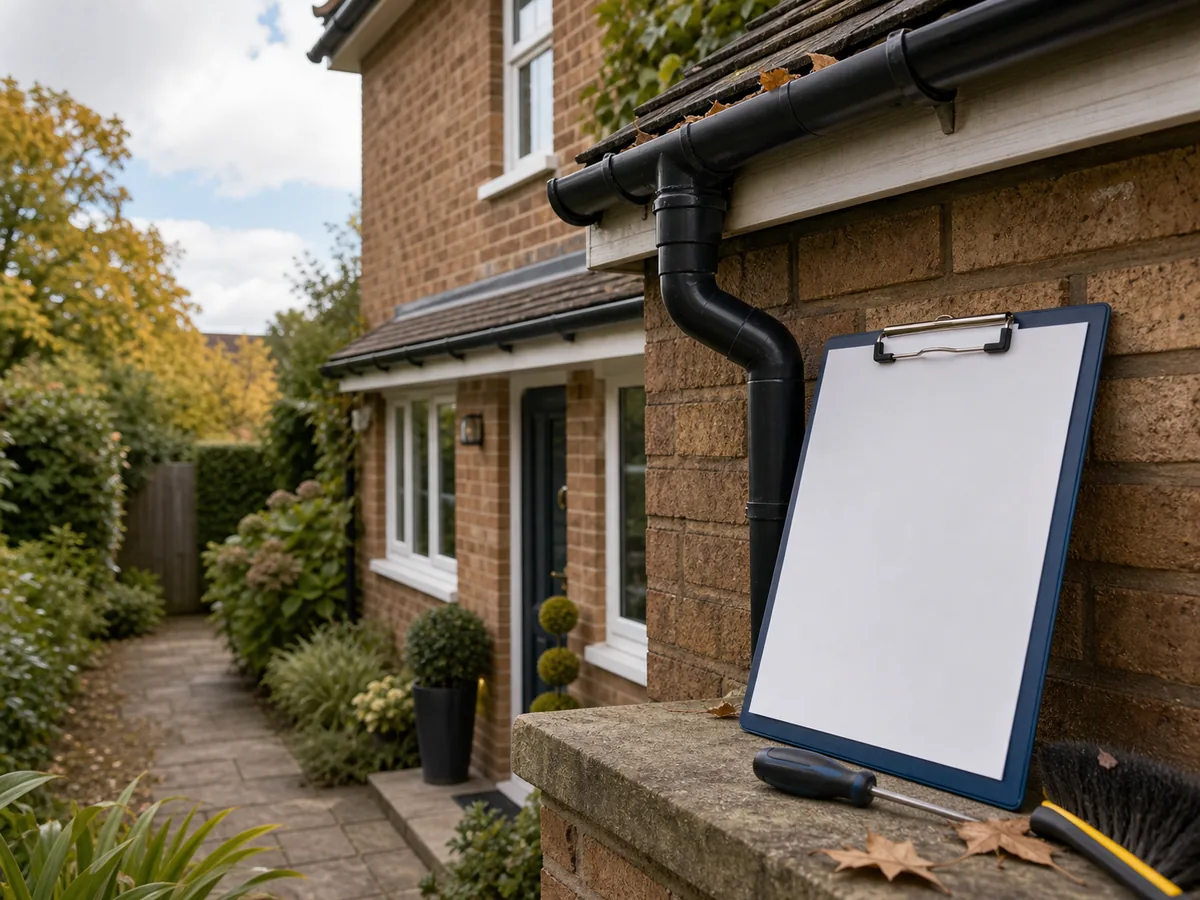
What this guide covers
Use better weather for external inspections, repairs and planned improvement work.
Go to section →Autumn preparationCheck roofs, gutters, drainage and external fabric before wetter weather.
Go to section →Winter prioritiesWatch for leaks, condensation, frozen services and weather-related defects.
Go to section →Year-round recordsRecord recurring issues and completed maintenance so patterns are easier to identify.
Go to section →1. Spring and summer: inspect, repair and prepare
Spring is a useful time to assess how a property has come through winter. Wind, prolonged rain, frost and short daylight hours can hide or worsen defects that become easier to inspect once conditions improve. Summer then provides a practical window for external repairs, decoration and planned works that depend on drier weather. The purpose of a seasonal inspection is not to create work for the sake of it, but to identify deterioration while there is still time to choose an appropriate repair.
Start with a safe external walk-around
From ground level, look at roof slopes, ridges, verges, chimneys, flashings, gutters and downpipes for obvious displacement, staining or damage. Binoculars or suitable photographic equipment can help with high-level observations. Do not climb onto roofs or use unsuitable ladders to obtain a closer view. Where the roof cannot be safely assessed from accessible areas, a competent inspection or appropriate drone survey can provide useful visual information without unnecessary work at height.
Check external walls for new cracking, open joints, damaged render, failed sealants, vegetation growth and areas that remain unusually damp. One crack or stain does not automatically identify a serious defect, but changes should be recorded so they can be compared over time. Older and traditionally constructed buildings may require compatible repair materials; hard modern mortars or impermeable coatings can be inappropriate for some historic fabric.
Check rainwater goods and drainage
Gutters and downpipes should discharge effectively without obvious leakage, sagging or staining around joints. Clear accessible debris safely and check that outlets are not obstructed. At ground level, inspect gullies and drainage channels for accumulated leaves, silt and vegetation. Surface water should be directed away from the building rather than ponding against walls or entrances.
If a drain repeatedly blocks, overflows or smells, repeated clearing may not address the cause. Damage, poor falls, root ingress or other defects may justify investigation. Maintenance records are useful here because recurring problems can otherwise appear to be isolated incidents.
Inspect windows, doors and external joinery
Check operation, seals, perimeter joints, glazing, cills and finishes. Timber that has lost its protective coating should be addressed before prolonged moisture exposure causes more extensive deterioration. Localised repair may be possible where the underlying material remains sound. Replacement should be based on condition, performance and project requirements rather than age alone.
Use dry weather for planned external work
External decoration, masonry repairs, roof work and some sealant operations are easier to plan during suitable weather. Manufacturer requirements for temperature, moisture and curing still matter; “summer” does not automatically mean every coating or material can be applied in any conditions. Plan access and sequencing so that repairs to the substrate happen before decorative finishes.
Review ventilation as the weather changes
Warmer weather can mask winter condensation problems. If mould or persistent condensation occurred during the colder months, record where and when it happened rather than simply decorating over it. Consider ventilation, heating patterns, moisture generation, insulation and any building defects together. DMP Buildtech’s Condensation and Mould Guide explores this in more detail.
Plan larger works before autumn
If spring inspections identify roofing, drainage, masonry or joinery repairs, use the better-weather period to obtain information, agree scope and schedule work. Waiting until water is actively entering during autumn storms can turn a manageable planned repair into an urgent call-out.
2. Autumn preparation: roofs, gutters, drainage and weatherproofing
Autumn maintenance is primarily about making sure the building can manage increased rainfall, falling leaves, wind and lower temperatures. On the Hampshire and West Sussex coast and surrounding areas, exposure varies considerably between sheltered urban properties, open countryside and coastal locations, so inspection priorities should reflect the individual site rather than a fixed calendar.
Keep rainwater routes clear
Leaves and organic debris can quickly restrict gutters, outlets, valleys, gullies and drainage channels. Check accessible systems and arrange safe cleaning where necessary. Look for evidence of previous overflow such as staining beneath gutters, damp masonry or washed-out ground. A gutter that appears clear on a dry day can still be undersized, poorly aligned or defective, so observations during rainfall can sometimes reveal problems that are not otherwise obvious.
Look for vulnerable roof details
Storm damage often begins at already weakened details. From a safe position, look for displaced or damaged tiles or slates, deterioration around flashings, loose ridge or verge components and obvious defects around roof penetrations. Flat roofs should be checked for visible damage and drainage issues where safe access arrangements exist. Do not walk on roof coverings simply to inspect them; access itself can create risk and damage.
Check external seals and openings
Inspect vulnerable joints around windows, doors and service penetrations. Failed sealant can allow local water ingress, but sealing should not be used indiscriminately. Some building details are designed to drain or ventilate, and blocking intended openings can create defects. Where the source of water ingress is uncertain, diagnosis should come before applying more sealant.
Prepare exposed pipework and services
Identify water pipes and taps in garages, outbuildings or external areas that may be vulnerable to freezing. Suitable insulation and isolation arrangements can reduce risk, but the correct treatment depends on the installation. Know where the property’s main water shut-off is and ensure it remains accessible. For vacant or intermittently occupied buildings, winter management should be planned rather than left until freezing weather arrives.
Check heating and ventilation before they are heavily relied upon
Heating systems should be maintained by appropriately competent people and, where gas is involved, the relevant legal requirements must be followed. Autumn is a sensible time to identify obvious problems before demand increases. At the same time, do not close or obstruct required ventilation in an attempt to retain heat. Energy efficiency and ventilation need to work together.
Check external lighting, access and surfaces
Shorter days make failed lighting and uneven access more significant. Inspect steps, paths, handrails and entrances for damage or trip hazards, particularly at managed and commercial properties. Clear excessive leaf build-up where it makes surfaces slippery or blocks drainage. Maintenance responsibilities may differ between owners, occupiers, landlords and managing agents, so ensure known issues reach the person responsible.
Review outstanding summer defects
Autumn is the point to revisit anything that was identified earlier but deferred. Ask whether the reason for deferral still holds and whether the consequence of failure changes in wetter weather. A small opening in external fabric can become more significant once exposed to wind-driven rain.
3. Winter priorities: leaks, condensation, frost and storm damage
Winter maintenance is less about undertaking unnecessary external work in poor conditions and more about monitoring how the property performs. Rain, wind, low temperatures and increased indoor humidity can reveal weaknesses in roofs, drainage, insulation, ventilation and services. Responding early can limit secondary damage.
Act promptly on active water ingress
If water enters the building, protect occupants and contents first and consider electrical safety where water is near electrical equipment. Record where the water appears, when it occurs and the weather conditions. The visible internal stain may not be directly below the external defect because water can travel along timbers, membranes, pipes and other construction.
Emergency weatherproofing may be appropriate where a permanent repair cannot safely be completed immediately. Temporary measures should be documented and followed by investigation and permanent repair when conditions allow. Do not take unsafe roof access simply because the leak feels urgent.
Distinguish condensation from other damp sources
Condensation often becomes more visible in winter because internal surfaces are colder and homes are less ventilated. Mould around cold corners, windows and poorly ventilated areas may point towards condensation, but damp should not be diagnosed from appearance alone. Plumbing leaks, penetrating rainwater, rising moisture and construction defects can produce overlapping symptoms.
Maintain appropriate background and extract ventilation and use heating sensibly. Avoid blocking air bricks, trickle vents or designed ventilation routes without understanding their purpose. Persistent problems may require assessment of ventilation, insulation, thermal bridges, occupancy patterns and building defects together.
Watch for frozen or leaking services
Freezing can damage exposed pipework and fittings. If a pipe is suspected to be frozen, avoid unsafe improvised heating methods. Know how to isolate the water supply and obtain competent assistance where required. After a thaw, check for leakage because damage may only become apparent once water flows again.
Inspect after storms
High winds and heavy rain can displace roof coverings, damage fences and external elements, overload drainage or bring down branches. Carry out a safe ground-level check after significant weather and keep people away from visibly unstable components. Where high-level inspection is needed, suitable access or drone inspection may be preferable to climbing.
Manage snow and ice proportionately
In southern England prolonged heavy snow is less frequent than rain and wind, but freezing conditions can still create slippery access and local loading or drainage issues. Commercial and managed premises should have proportionate arrangements for safe access where weather creates foreseeable hazards. Avoid damaging roof coverings or drainage systems through unnecessary intervention.
Monitor vulnerable internal finishes
Winter is a useful time to inspect roof spaces and internal areas for signs of moisture where safe access exists. Staining, damp insulation, mould, corrosion or musty odours can indicate a problem requiring investigation. Roof spaces can contain electrical services, fragile ceilings, restricted access and insulation that obscures safe footing, so they should not be entered casually.
Record what winter reveals
Problems that only appear during particular wind directions, heavy rainfall or cold spells are difficult to diagnose months later without records. Photographs and brief notes on weather and timing can be valuable. Feed those observations into the spring maintenance plan rather than forgetting them once conditions improve.
4. Year-round records, safety checks and maintenance planning
A seasonal checklist works best as part of a year-round maintenance record. The objective is to build knowledge of the property: what has failed, what was repaired, what needs monitoring and which statutory or specialist inspections sit outside general building maintenance. This is particularly valuable for landlords, managing agents and commercial property managers, but homeowners benefit from the same principle.
Create a simple property maintenance record
Record the date, location, observed issue, photographs, action taken and any follow-up required. For larger buildings, allocate priorities and responsible persons. Keep invoices, reports and relevant product details where they will be retrievable later. A complicated software platform is not essential; consistency matters more than the format.
Separate general maintenance from statutory compliance
A seasonal building check does not replace legal inspections, tests or servicing. Depending on the property and how it is used, separate duties may relate to gas, electrical installations, fire safety, asbestos, lifts, workplace equipment and other systems. Requirements differ between domestic, rented, workplace and other premises. The person responsible should establish the applicable regime and use competent specialists where required.
Keep Building Regulations and project records
Where maintenance develops into alteration or regulated building work, establish whether Building Regulations approval or other consent is required. Keep relevant drawings, inspection information, certificates and completion documentation. DMP Buildtech’s Building Regulations Explained guide covers this process in more detail.
Review recurring defects rather than resetting them
If the same leak, crack, blockage or mould growth appears season after season, the maintenance history should trigger a deeper review. Repeated surface repair can cost more than investigating the underlying cause. Our Planned vs Reactive Maintenance guide explains how reactive history can be used to build a more effective planned programme.
Prioritise by risk and consequence
Not every maintenance item has equal importance. Immediate safety, active water ingress, security and defects likely to cause rapid secondary damage generally deserve priority. Other items can be planned around access, budget and suitable weather. Recording why work was deferred helps future reviewers understand the decision.
Update the checklist after alterations
A building changes over time. New roofs, windows, heating systems, extensions and drainage alterations may introduce different maintenance requirements, warranties and inspection points. Update records after significant works so the maintenance plan reflects the property that now exists rather than an old version of it.
Use professional inspection where access or diagnosis requires it
A homeowner or facilities team can identify many visible issues, but inspection should stop where safe access, specialist equipment or technical diagnosis is required. Work at height, electrical systems, gas, structural concerns and suspect asbestos-containing materials are examples where competence matters. DMP Buildtech provides Drone Surveys & Reports, property maintenance and remedial inspection services where a closer assessment is appropriate.
For properties across Hampshire and West Sussex, the most useful seasonal routine is one adapted to the building’s age, exposure, use and known history. The checklist should prompt observation and timely action without encouraging unnecessary work or unsafe DIY inspection.
Related services
FAQs
How often should I carry out a seasonal property check?
A simple review at seasonal changes is useful for many properties, with additional checks after severe weather or when a known defect needs monitoring. The appropriate frequency depends on the building’s age, condition, exposure, use and any specific maintenance or statutory requirements.
Should I climb onto the roof to check for damage?
No. Routine observations should be made from a safe location. Roof work and high-level inspection require suitable access, equipment and competence. Where necessary, professional access or a drone survey can provide closer visual information without unsafe DIY climbing.
When is the best time to clear gutters?
Gutters should be checked according to the property’s surroundings and condition rather than one fixed date. Autumn leaf fall is an obvious trigger, but properties near trees or with known drainage problems may need additional checks. Safe access is essential.
What should I do if I find a leak during winter?
Protect people and contents, consider electrical safety, record when and where the leak appears and arrange appropriate investigation. Emergency containment may be needed first, followed by a permanent repair when the cause is established and conditions allow safe work.
Does a seasonal checklist replace landlord or commercial safety inspections?
No. General property maintenance does not replace statutory inspections, tests, servicing or risk-management duties that may apply to rented, workplace or commercial premises. Those requirements should be managed separately by the responsible person using competent specialists where required.
What should I record after maintenance work?
Keep useful photographs, the location and nature of the defect, what was found, the work completed and any follow-up needed. Retain relevant certificates, reports, warranties and Building Regulations documentation with the property’s records where applicable.
Need help with this type of work?
Send DMP Buildtech a short description and photographs. We can advise on the right inspection, quote or maintenance step.
Request a quote or inspection