Commercial Building Maintenance: What Should Be Checked Regularly?
Commercial buildings need regular maintenance to stay safe, presentable and operational. A structured approach helps reduce disruption and unexpected repair costs.
Why commercial maintenance needs structure
Commercial premises are working environments. Maintenance issues can affect staff, tenants, customers and business continuity, so problems should be tracked and prioritised.
A planned approach helps separate urgent repairs from routine upkeep and longer-term improvement works.
High-priority maintenance areas
The exact checklist depends on the building, but several areas should be reviewed regularly.
- Roofs, gutters and drainage
- Entrances, exits, steps and access routes
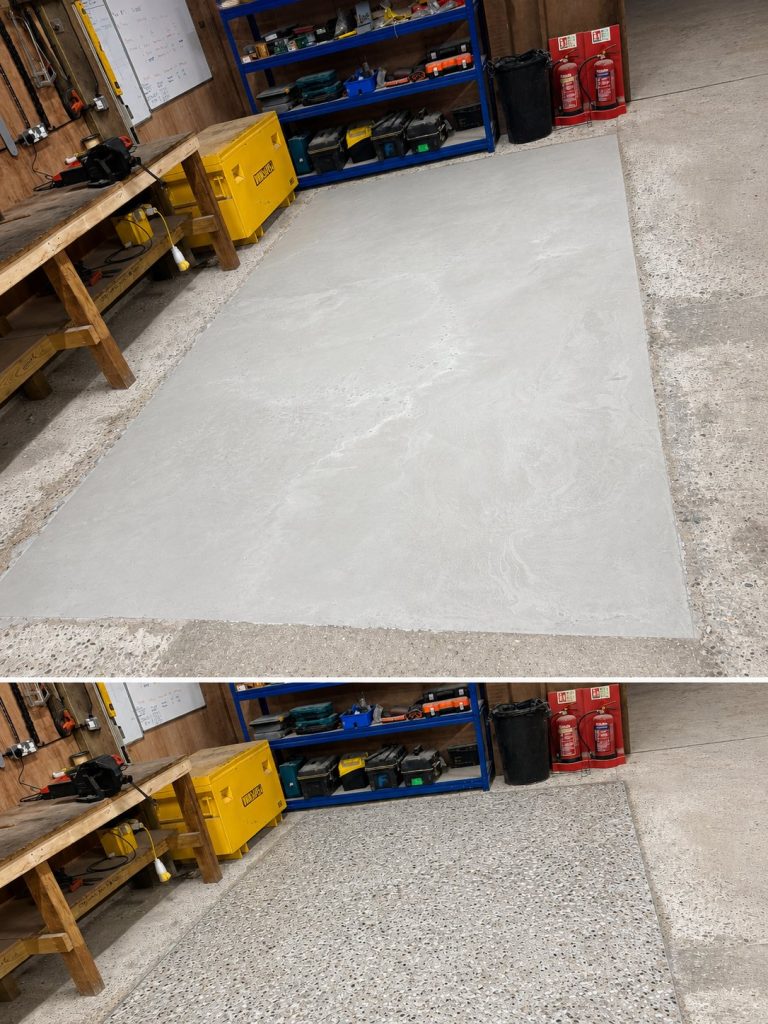
- Internal finishes and damaged surfaces
- Water ingress, damp or staining
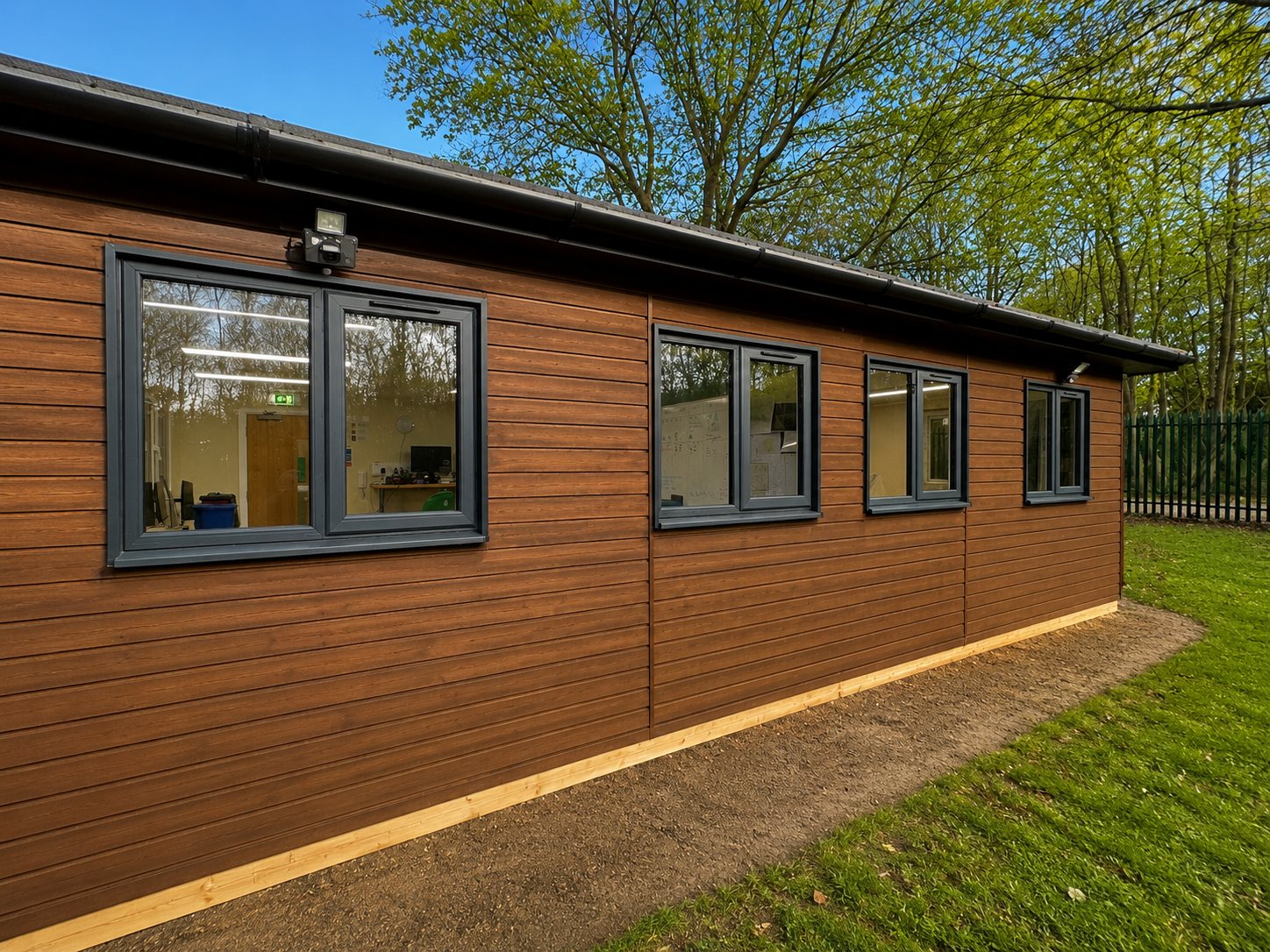
- External walls, render and pointing
- Toilets, kitchens and staff areas
Reactive vs planned maintenance
Reactive maintenance deals with issues as they arise. Planned maintenance tries to reduce the number of surprises by scheduling checks and repairs before failure.
Most commercial properties need a mixture of both. The goal is to keep the building usable while avoiding preventable disruption.
Working with a contractor
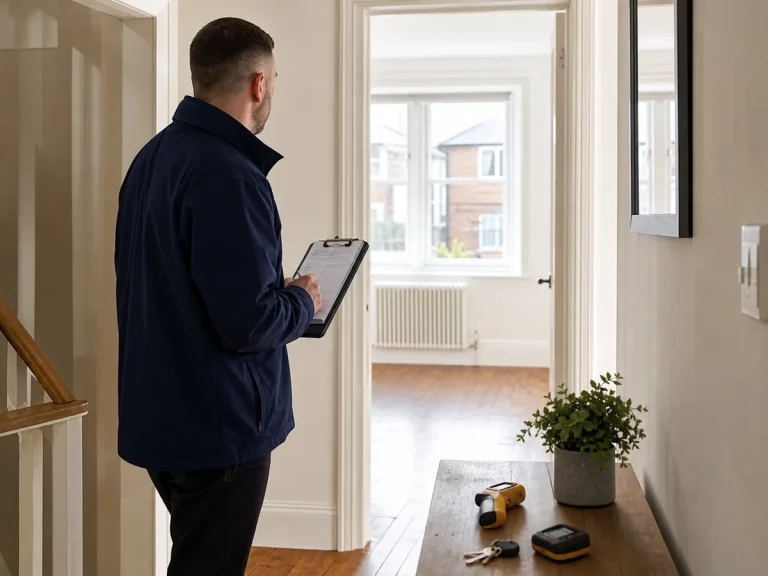
A good maintenance contractor should communicate clearly, respect the working environment and help prioritise practical next steps. For property managers, clear photos and records are especially useful.
Need help with a real property issue? DMP Buildtech supports building, maintenance, restoration, remedial works and drone survey enquiries across Hampshire and West Sussex.